
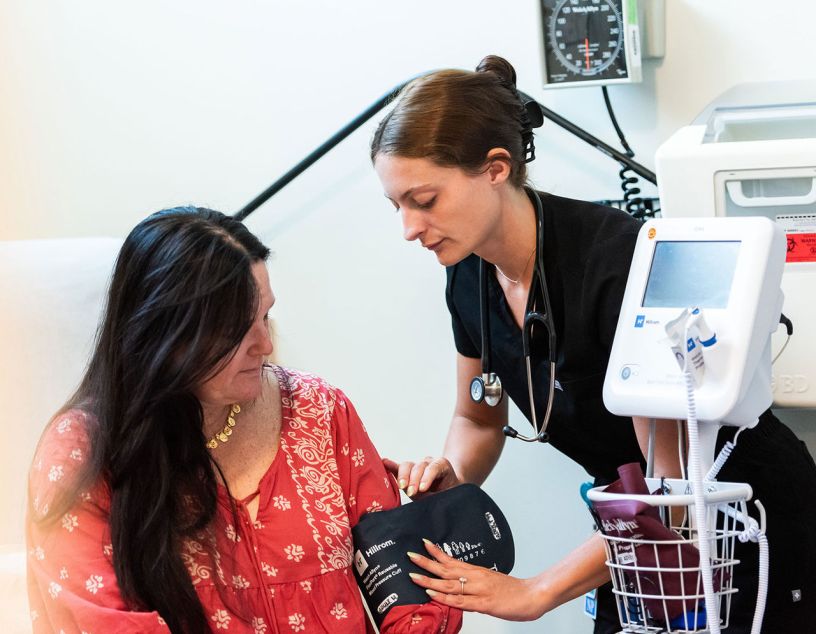
Introduction: The Intricacies of Illness and the Art of Healing
Modern medicine stands as one of humanity’s greatest achievements, evolving from ancient herbal remedies into a highly sophisticated system rooted in science, technology, and empathy. The journey from diagnosis to recovery—or management—often involves a complex interplay of factors: the nature of the illness, the patient’s overall health, the availability of treatments, and the expertise of healthcare providers. Understanding medical conditions and their corresponding treatments is more than an academic exercise—it is a crucial step toward proactive, informed healthcare decision-making for individuals and society as a whole.
Classifying Medical Conditions: A Broad and Complex Spectrum
Medical conditions manifest in countless ways, and their classification helps determine the most appropriate approach to care. Recognizing the type of condition involved is the first step in tailoring treatment plans that offer the greatest chance of success.
1. Acute Medical Conditions
These conditions appear suddenly and are typically of short duration.
-
Examples: Common cold, appendicitis, broken bones, or allergic reactions
-
Characteristics: Quick onset, intense symptoms, and often a complete recovery following treatment
-
Treatment: Includes medication, minor surgical intervention, or supportive care
2. Chronic Diseases
These are long-lasting conditions that progress slowly and require continuous management.
-
Examples: Diabetes, hypertension, arthritis, chronic kidney disease
-
Characteristics: Persistent symptoms, potential complications, and the need for lifestyle adaptation
-
Treatment: Long-term medication, regular monitoring, lifestyle adjustments, and sometimes surgical options
3. Infectious Diseases
Caused by pathogenic microorganisms such as bacteria, viruses, or parasites, these diseases can spread through various means.
-
Examples: Tuberculosis, influenza, HIV/AIDS, COVID-19
-
Characteristics: Contagious, often preventable, and potentially severe if untreated
-
Treatment: Depends on the pathogen—antibiotics, antivirals, or antifungal drugs are commonly used
4. Genetic and Congenital Disorders
These are inherited or develop in utero, affecting individuals from birth or early childhood.
-
Examples: Down syndrome, cystic fibrosis, hemophilia
-
Characteristics: Often lifelong, sometimes progressive, and can affect multiple systems
-
Treatment: Symptom management, physical and speech therapies, surgical correction, and gene therapy research
5. Mental and Neurological Conditions
These affect cognitive, emotional, and psychological well-being, and are increasingly recognized as integral to overall health.
-
Examples: Depression, anxiety, schizophrenia, Parkinson’s disease
-
Characteristics: May involve biochemical imbalances or structural abnormalities in the brain
-
Treatment: Psychotherapy, psychiatric medications, cognitive therapies, and support systems
Advances in Diagnostic Tools: Early Detection as a Game-Changer
Modern diagnostics enable physicians to identify conditions at earlier, more treatable stages. From routine blood tests and imaging scans to advanced genetic screening and biomarker analysis, the precision of diagnosis has never been higher. Early detection leads to more effective interventions, improved prognosis, and often reduced healthcare costs in the long term.
Treatment Modalities: The Multidisciplinary Approach to Care
No single treatment strategy fits all conditions. Effective treatment today is often an integration of several modalities, each tailored to the patient’s unique needs.
Pharmaceutical Interventions
-
Include over-the-counter and prescription medications
-
Treat symptoms, control disease progression, or eradicate infections
-
Example: Statins for cholesterol management, insulin for diabetes, antiviral drugs for HIV
Surgical Treatments
-
Necessary for structural corrections, injury repair, or removal of disease tissue
-
Range from open surgery to minimally invasive and robotic techniques
-
Example: Cardiac bypass surgery, tumor excision, laparoscopic gallbladder removal
Rehabilitation Therapies
-
Focus on restoring function and quality of life after illness or injury
-
Involve physical, occupational, or speech therapies
-
Essential in stroke recovery, orthopedic rehabilitation, and neurological care
Lifestyle and Preventive Interventions
-
Emphasize diet, exercise, sleep, and stress management
-
Fundamental in managing and even reversing many chronic diseases
-
Often supported by counseling and health coaching
Alternative and Complementary Medicine
-
Includes acupuncture, herbal medicine, yoga, and meditation
-
Often used alongside conventional treatments for pain relief and stress management
-
Increasingly recognized within integrative medicine frameworks
Preventive Healthcare: Building a Stronger Defense
Prevention is not just the best cure—it is the foundation of long-term health. Public health strategies and individual habits both play critical roles in minimizing the risk of developing serious medical conditions.
Key Preventive Measures Include:
-
Vaccinations: Protection against communicable diseases such as measles, hepatitis, and HPV
-
Regular Screenings: Mammograms, colonoscopies, and blood pressure checks detect problems early
-
Health Education: Community programs that promote hygiene, nutrition, and responsible health choices
-
Environmental Awareness: Avoiding exposure to pollutants and toxins reduces risks of respiratory and cardiovascular disease
Challenges in Treatment Accessibility and Equity
While medical science has achieved unprecedented success, access to quality treatment remains uneven across socioeconomic and geographic lines.
-
Healthcare Inequality: Rural populations, developing countries, and marginalized communities often lack basic medical infrastructure
-
Affordability: High costs of certain treatments, particularly new therapies, limit their availability to the average patient
-
Mental Health Access: Despite growing awareness, mental health services are still underfunded and stigmatized in many regions
-
Global Health Crises: Pandemics, natural disasters, and war zones create unique challenges for medical care delivery
The Future of Treatments: Innovation Meets Individualization
The future of medicine is poised to be more personalized, predictive, and preventative.
-
Genomics and Personalized Medicine: Tailoring treatments based on individual DNA to maximize effectiveness and minimize side effects
-
Artificial Intelligence: Enhancing diagnostics, predicting disease progression, and optimizing treatment planning
-
Telemedicine: Expanding access to care by removing geographic barriers and reducing wait times
-
Regenerative Medicine: Using stem cells and tissue engineering to restore damaged organs and tissues
Conclusion: The Human Side of Medical Science
Medical conditions and their treatments form the backbone of healthcare systems across the globe. Behind every condition is a person—someone whose life, relationships, and potential are shaped by how well we respond to their needs. Medicine must continue to advance, not just in knowledge and tools, but in compassion and equity. By blending scientific brilliance with a patient-centered ethos, the future of healthcare can be one where every individual receives the care they need to live not just longer, but better.
 Relixy Health