
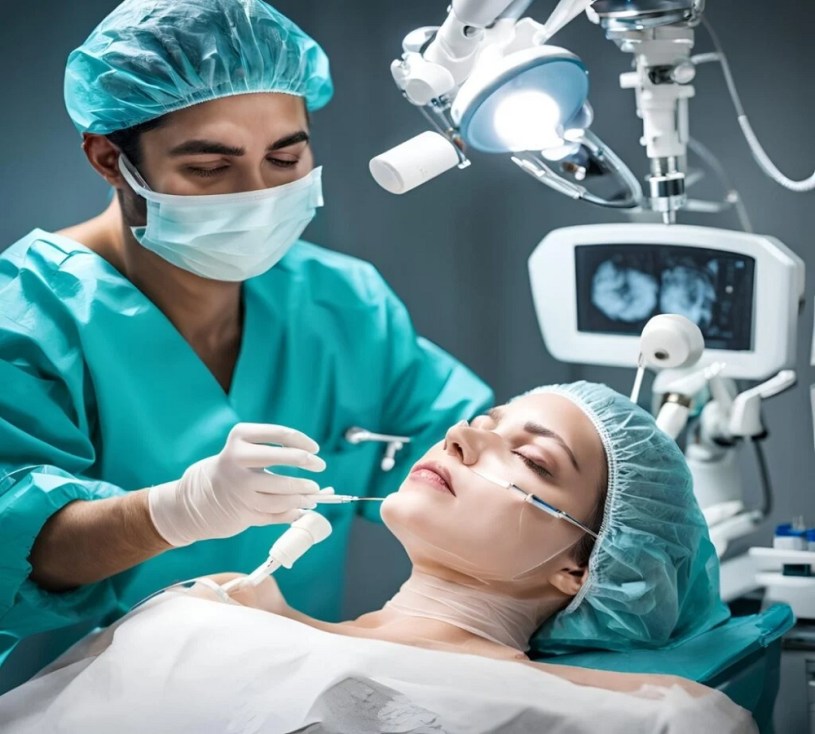
Introduction: The Ever-Evolving Realm of Medicine
Medicine has never been static. From rudimentary herbal concoctions to state-of-the-art gene therapies, the science of healing has evolved into a highly specialized and nuanced discipline. The modern approach to medical conditions and treatments goes beyond simply curing diseases. It encompasses prevention, early diagnosis, long-term care, psychological well-being, and ethical considerations. Understanding how various conditions are categorized, diagnosed, and treated offers invaluable insight into both personal and public health. This article provides an in-depth, structured overview of common medical conditions, contemporary treatment methodologies, and the role of innovation and empathy in today’s healthcare landscape.
Categorizing Medical Conditions: A Framework for Clarity
Diseases and disorders are categorized based on their origin, duration, and impact. Such classifications help streamline diagnostics, define treatment paths, and improve communication across healthcare systems.
1. Acute Conditions
These illnesses manifest rapidly and often resolve within days or weeks.
-
Examples: Influenza, urinary tract infections, appendicitis, fractures
-
Traits: Sudden onset, short duration, often curable with timely intervention
-
Treatment: Antibiotics, anti-inflammatory drugs, minor surgeries, or temporary immobilization
2. Chronic Diseases
Persistent and often progressive, these conditions last for months or even a lifetime.
-
Examples: Diabetes, cardiovascular disease, asthma, rheumatoid arthritis
-
Traits: Long-term management, lifestyle implications, potential complications
-
Treatment: Lifestyle changes, ongoing medication, routine check-ups, and supportive care
3. Infectious Diseases
Caused by pathogens like bacteria, viruses, fungi, or parasites, these diseases can range from mild to life-threatening.
-
Examples: Tuberculosis, COVID-19, malaria, hepatitis B
-
Traits: Often contagious, require targeted therapies, may lead to public health crises
-
Treatment: Antibiotics, antivirals, vaccines, quarantine protocols
4. Genetic and Congenital Disorders
These conditions are present at birth and may be inherited or the result of genetic mutations.
-
Examples: Down syndrome, cystic fibrosis, congenital heart defects
-
Traits: Varying severity, may affect multiple organ systems, often lifelong
-
Treatment: Genetic counseling, surgical correction, physical therapy, and experimental gene therapies
5. Mental and Neurological Disorders
Mental health is an integral part of overall wellness. Disorders in this category impact emotional, psychological, or neurological function.
-
Examples: Depression, anxiety disorders, schizophrenia, Alzheimer’s disease
-
Traits: Often invisible symptoms, long-term implications, societal stigma
-
Treatment: Psychotherapy, psychiatric medication, cognitive-behavioral therapy, community support
The Diagnostic Process: From Symptom to Strategy
Accurate diagnosis is a cornerstone of effective treatment. The process often involves multiple stages:
-
Medical History and Physical Examination: Gathering details about lifestyle, family history, and presenting symptoms
-
Laboratory Testing: Blood tests, urine analysis, and cultures to detect infections or biochemical imbalances
-
Imaging and Scanning: MRI, CT scans, and X-rays provide insights into structural abnormalities
-
Genetic Screening: Identifies inherited conditions and informs personalized medicine strategies
-
Psychological Evaluation: Assesses emotional and cognitive function, particularly for mental health diagnoses
Treatment Modalities: Integrative and Individualized Care
Modern treatment goes far beyond traditional medicine. It incorporates various disciplines and technologies to create customized plans that address not just the disease, but the person as a whole.
1. Pharmacological Treatment
-
Uses prescription and over-the-counter drugs
-
Aims to relieve symptoms, prevent progression, or cure the condition
-
Examples: Statins for high cholesterol, SSRIs for depression, insulin for diabetes
2. Surgical Intervention
-
Involves repairing, removing, or replacing damaged tissues or organs
-
Includes minimally invasive techniques such as laparoscopy and robotic surgery
-
Examples: Joint replacements, tumor removal, coronary bypass surgery
3. Rehabilitation and Supportive Therapy
-
Facilitates recovery and improves quality of life
-
Combines physical, occupational, and speech therapy
-
Useful For: Post-stroke recovery, trauma rehabilitation, managing developmental disorders
4. Psychological and Behavioral Therapy
-
Addresses mental health through structured sessions and coping mechanisms
-
Therapies include CBT, DBT, and psychoanalysis
-
Often used alongside medication for better outcomes
5. Holistic and Alternative Medicine
-
Complements traditional treatments and focuses on overall wellness
-
Includes acupuncture, herbal remedies, meditation, and yoga
-
Particularly effective for stress-related disorders and chronic pain
Preventive Medicine: The First Pillar of Good Health
Preventing disease before it starts is far more effective and cost-efficient than treating it later. A proactive approach to health includes:
-
Vaccination Programs: Essential in preventing diseases like measles, influenza, and HPV
-
Health Screenings: Routine checks for cancer, hypertension, cholesterol, and diabetes
-
Public Awareness Campaigns: Education on hygiene, nutrition, and sexual health
-
Lifestyle Modifications: Encouraging exercise, smoking cessation, balanced diets, and stress management
Emerging Trends: The Future of Medical Treatments
The field of medicine is undergoing a revolutionary transformation, thanks to scientific advancements and interdisciplinary collaboration.
-
Personalized Medicine: Treatments tailored to a person’s genetic makeup for maximum effectiveness
-
Artificial Intelligence: Enhances diagnostics, predicts disease progression, and streamlines administrative workflows
-
Telehealth and Remote Monitoring: Expands access to care, especially in remote areas
-
Regenerative Medicine: Uses stem cells and tissue engineering to repair damaged organs and tissues
-
Immunotherapy: Empowers the body’s immune system to combat conditions like cancer and autoimmune diseases
Challenges in Modern Healthcare
Despite these innovations, numerous challenges remain.
-
Access and Affordability: Not all patients have access to advanced treatments or even basic care
-
Healthcare Inequality: Disparities based on geography, income, and ethnicity persist
-
Antimicrobial Resistance: Overuse of antibiotics has led to the rise of drug-resistant infections
-
Mental Health Stigma: Despite progress, mental health care still faces societal and institutional barriers
Conclusion: Healing with Intelligence and Compassion
The management of medical conditions and their treatments has progressed dramatically, yet the essence of good medicine remains rooted in empathy, precision, and continuous learning. As healthcare continues to integrate innovation with human touch, the future promises not only longer lives but healthier and more fulfilling ones. Understanding the intricacies of diseases, knowing the available treatment options, and engaging actively in preventive care are key responsibilities we must all embrace in the shared journey toward well-being.
 Relixy Health