
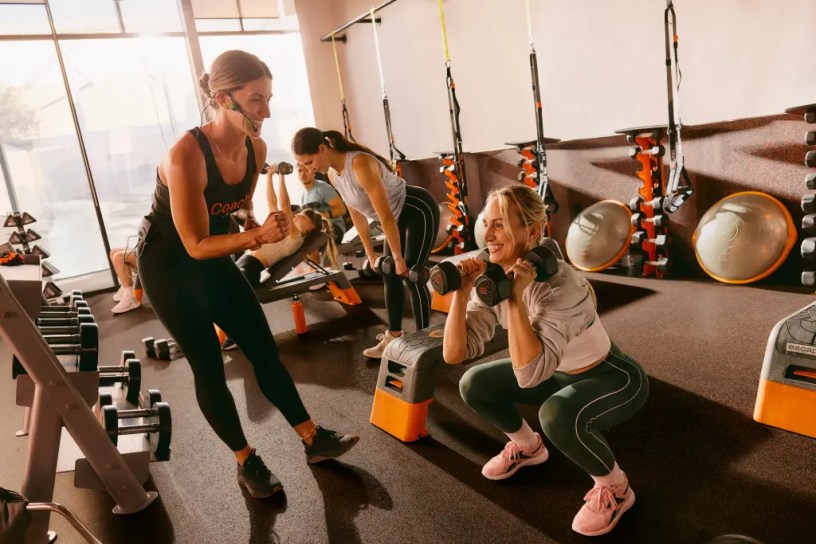
Introduction: Beyond Sweat—The Philosophy of Fitness
Fitness and exercise are no longer confined to gym walls or reserved for the ultra-disciplined few. They have emerged as essential elements of a purposeful, enriched lifestyle. In today’s fast-paced, screen-saturated world, where physical activity has become optional rather than integral, it’s vital to reclaim movement not just as a tool for aesthetics, but as a profound expression of vitality, resilience, and balance. Fitness is not merely about looking fit—it is about functioning with strength, moving with ease, and living with clarity.
Understanding Fitness as a Holistic Concept
True fitness is multidimensional. It is not a single measure of how far you can run or how much you can lift, but the harmonious integration of endurance, strength, flexibility, balance, and mental well-being. When approached holistically, fitness becomes a sustainable lifestyle rather than a temporary effort. This perspective moves us away from punitive exercise culture and toward a more elegant, self-respecting form of physical care.
The Five Foundations of Complete Fitness
To cultivate a balanced and refined fitness lifestyle, one must pay attention to five interconnected domains. Each plays a unique role in developing the body’s full potential.
1. Cardiovascular Endurance: Fueling the Fire Within
The heart is our most vital muscle, and cardiovascular exercise ensures it remains strong and efficient. Whether it’s walking briskly in the early morning sun or swimming laps in quiet solitude, cardio nurtures both the body and the mind.
Benefits of cardiovascular training:
-
Enhances lung capacity and heart function
-
Reduces stress and improves mood
-
Aids in weight management
-
Boosts stamina for daily activities
Suggested cardio activities:
-
Brisk walking, jogging, or hiking
-
Cycling or rowing
-
Swimming or water aerobics
-
Dance or group cardio classes
Frequency: Aim for at least 150 minutes per week of moderate-intensity or 75 minutes of high-intensity activity.
2. Muscular Strength and Endurance: The Architecture of the Body
Strength training builds not only visible muscle but also deeper physical confidence. A strong body supports healthy posture, protects joints, and enhances metabolic health. Strength is also vital for longevity and maintaining independence as we age.
Effective methods include:
-
Free weights (dumbbells, kettlebells, barbells)
-
Resistance bands
-
Bodyweight movements (squats, lunges, push-ups)
-
Pilates or functional training routines
Guideline: Train all major muscle groups at least two times per week, allowing recovery between sessions.
3. Flexibility and Mobility: Grace in Motion
Flexibility allows muscles to lengthen through their full range, while mobility ensures joints move freely. These elements are essential for fluid, pain-free motion and are often the first to decline with sedentary lifestyles.
Key flexibility practices:
-
Daily dynamic stretching routines
-
Yoga to combine breath and movement
-
Static stretching post-workout
-
Mobility drills with foam rollers or massage balls
Benefits:
-
Reduces risk of injury
-
Improves posture and circulation
-
Enhances relaxation and sleep quality
4. Core Stability and Balance: The Center of Strength
The core is more than the abs—it includes the muscles of the abdomen, back, hips, and pelvis. A strong core stabilizes every movement, from reaching for a cup to lifting weights.
Balance and core training strategies:
-
Plank variations and controlled crunches
-
Stability ball exercises
-
Single-leg balance drills
-
Tai Chi or balance-based yoga flows
5. Rest and Recovery: The Unsung Hero of Progress
Exercise without rest is incomplete. Recovery allows tissues to heal, the nervous system to recharge, and the body to grow stronger. Overtraining leads to fatigue, poor performance, and injury.
Optimal recovery practices:
-
Prioritize 7–9 hours of quality sleep
-
Incorporate active rest days (gentle walks or light stretching)
-
Eat nourishing meals to support repair
-
Engage in massage, meditation, or restorative yoga
The Mental and Emotional Benefits of Regular Exercise
Physical movement is inextricably linked to mental clarity. Regular exercise stimulates endorphins, reduces cortisol, and enhances serotonin production. It can lower anxiety, improve mood, and even support better decision-making. Over time, consistent movement sharpens focus, builds resilience, and cultivates emotional balance.
Mental wellness enhancements through exercise:
-
Reduces symptoms of depression and anxiety
-
Improves self-esteem and body image
-
Enhances sleep quality and cognitive function
-
Acts as a moving meditation, helping to calm racing thoughts
Adapting Fitness to Your Life Stage
Fitness should evolve with your life—not remain static or rigid. What your body needs in your twenties differs vastly from what it requires in your sixties. The secret is not intensity, but adaptability and consistency.
-
20s–30s: Focus on building strong habits, experimenting with different styles (HIIT, strength, yoga), and optimizing recovery.
-
40s–50s: Prioritize joint care, core strength, and work-life balance. Begin thinking about long-term health sustainability.
-
60s and beyond: Emphasize flexibility, balance, and strength maintenance. Movement should preserve function and support independence.
Nutrition’s Role in Fitness Success
Fitness is not merely about what you do—it’s also about how you fuel your body. Without proper nutrition, your efforts may yield minimal returns. Food choices directly impact energy, endurance, and recovery.
Essential nutrition tips:
-
Eat whole foods—fruits, vegetables, lean proteins, complex carbohydrates, and healthy fats.
-
Hydrate adequately—especially before, during, and after exercise.
-
Fuel workouts with a combination of carbs and protein
-
Prioritize post-workout meals to replenish glycogen and support muscle repair
Making Fitness a Lifelong Practice
To sustain a healthy relationship with fitness, make it part of your lifestyle—not a temporary goal. Choose joy over obligation, process over perfection.
Keys to consistency:
-
Set realistic, meaningful goals
-
Track your progress with awareness, not obsession
-
Mix routines to avoid burnout
-
Find community—classes, walking groups, or training partners
-
Listen to your body, and respect its needs and limits
Conclusion: Fitness as a Refined Expression of Living Well
Fitness and exercise, when approached with intelligence and grace, become more than routines—they become rituals. They cultivate strength, deepen self-awareness, and enrich daily life. Far from being a vanity project, fitness is a celebration of one’s ability to move, grow, and evolve. It is a declaration of care for oneself, a silent strength built through discipline and joy. To live well is to move well, and in that movement lies the quiet art of becoming.
 Relixy Health