
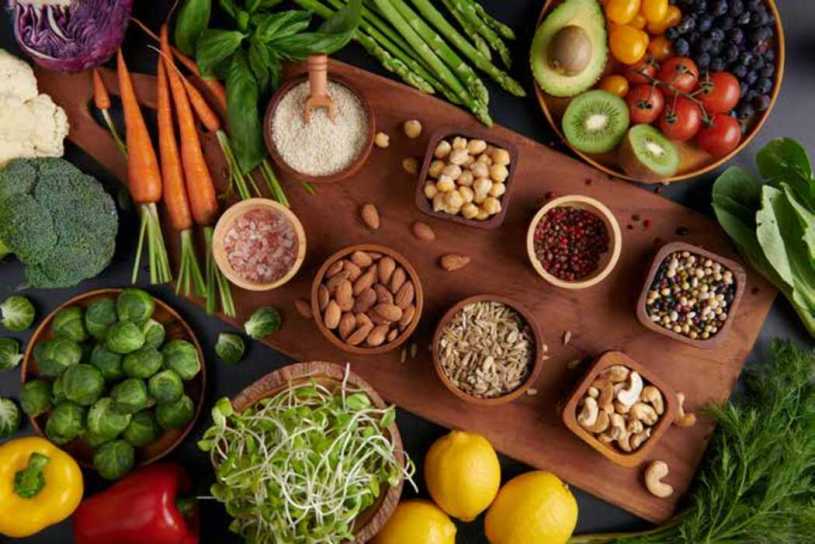
Introduction: The Enduring Art of Nourishment
In contemporary discourse, nutrition and diet are often reduced to fleeting fads or rigid rules, yet the truth is far more nuanced and profound. Nutrition transcends mere sustenance; it is a deliberate, informed art form that nurtures the body, sharpens the mind, and enriches life’s quality. A well-crafted diet, grounded in scientific understanding and mindful practice, becomes a cornerstone of lifelong wellness rather than a temporary fix. This article delves into the intricate relationship between nutrition and diet, illuminating principles that promote not just health, but elegant vitality.
Foundations of Nutrition: Understanding the Core Nutrients
The foundation of any thoughtful diet rests on an appreciation of essential nutrients and their roles in bodily functions. Macronutrients—carbohydrates, proteins, and fats—form the basis of energy provision and structural maintenance, while micronutrients like vitamins and minerals play indispensable regulatory roles.
-
Carbohydrates: The Body’s Preferred Fuel
Complex carbohydrates such as whole grains, legumes, and vegetables provide a slow, sustained release of energy essential for brain function and physical activity. These foods also supply dietary fiber, which supports digestive health and satiety. Simple sugars, found in processed foods and sugary beverages, should be consumed sparingly to avoid metabolic disruptions. -
Proteins: The Building Blocks of Life
Proteins are critical for muscle repair, enzyme production, and hormone synthesis. A diverse protein intake—from lean meats, fish, dairy, to plant-based sources like beans, lentils, and nuts—ensures a complete amino acid profile, vital for cellular repair and immune competence. -
Fats: Essential for Brain and Hormone Health
Contrary to outdated dogma, healthy fats are crucial for cognitive function, cell membrane integrity, and hormone production. Prioritize monounsaturated and polyunsaturated fats found in olive oil, avocados, nuts, seeds, and oily fish. Trans fats and excessive saturated fats, prevalent in processed foods, should be limited due to their pro-inflammatory effects.
Micronutrients: The Silent Architects of Health
Micronutrients, though needed in trace amounts, orchestrate countless biochemical processes. Vitamins such as A, C, D, and B-complex, alongside minerals like iron, magnesium, and zinc, underpin immune function, energy metabolism, and tissue repair. A diet abundant in colorful fruits and vegetables naturally supplies these critical elements, reducing reliance on supplementation unless medically indicated.
The Gut Microbiome: A Symphony of Microbial Allies
Emerging research spotlights the gut microbiome’s role in not only digestion but also immunity, mood regulation, and metabolic health. A diet rich in prebiotics (fibers that feed beneficial bacteria) and probiotics (live microbes in fermented foods) nurtures a thriving gut environment. Examples include garlic, onions, bananas, yogurt, kefir, sauerkraut, and kimchi.
Hydration: The Overlooked Essential
Water sustains every physiological system—from nutrient transport to temperature regulation and toxin elimination. Adequate hydration, generally around two to three liters daily, varies with individual factors such as activity level and climate. Complement hydration with water-rich foods like cucumbers, melons, and leafy greens for optimal fluid balance.
Mindful Eating: Cultivating a Refined Relationship with Food
Beyond nutrients, the manner in which we consume food profoundly impacts digestion and satisfaction. Mindful eating encourages slowing down, savoring each bite, and tuning into hunger and fullness signals. This practice not only enhances nutrient absorption but fosters a balanced, less reactive relationship with food.
-
Key practices include:
-
Eating without distractions such as screens.
-
Chewing thoroughly to aid digestion.
-
Recognizing and respecting natural hunger cues.
-
Appreciating the sensory experience and origin of foods.
-
Common Myths and Misconceptions
Navigating nutrition can be complicated by persistent myths. Clarifying these ensures informed choices:
-
Myth: All fats are harmful. Truth: Healthy fats are indispensable for overall health.
-
Myth: Carbohydrates inherently cause weight gain. Truth: Quality and quantity of carbs, along with overall dietary patterns, matter more.
-
Myth: Skipping meals aids weight loss. Truth: Regular meals stabilize metabolism and prevent overeating.
-
Myth: Detox diets are necessary for cleansing. Truth: The body’s liver and kidneys efficiently detoxify without extreme diets.
Personalized Nutrition: Embracing Individual Needs
No universal diet fits all. Genetic factors, age, activity level, and health status shape individual nutritional requirements. Personalization, ideally guided by a qualified nutrition professional, enhances adherence and effectiveness, honoring one’s unique physiological and cultural context.
Sustainable Eating: Nutrition with Environmental Conscience
Modern diets should not only nurture individual health but also consider planetary wellness. Sustainable eating promotes:
-
Emphasis on plant-based meals to reduce carbon footprint.
-
Choosing seasonal, locally sourced produce to support biodiversity and reduce transport emissions.
-
Minimizing food waste through careful planning and storage.
-
Supporting ethical farming and fishing practices.
Conclusion: Nutrition as a Lifelong Elegance
Nutrition and diet, when embraced with sophistication and intention, transcend functional necessity to become acts of daily self-care and respect. By understanding the delicate interplay of macronutrients, micronutrients, hydration, and mindful practices, one crafts a balanced approach to eating that fuels both body and soul. This journey toward nourishing wellness is not about rigidity or perfection, but about cultivating harmony—a graceful dance between science and pleasure that enriches life’s every moment.
 Relixy Health