
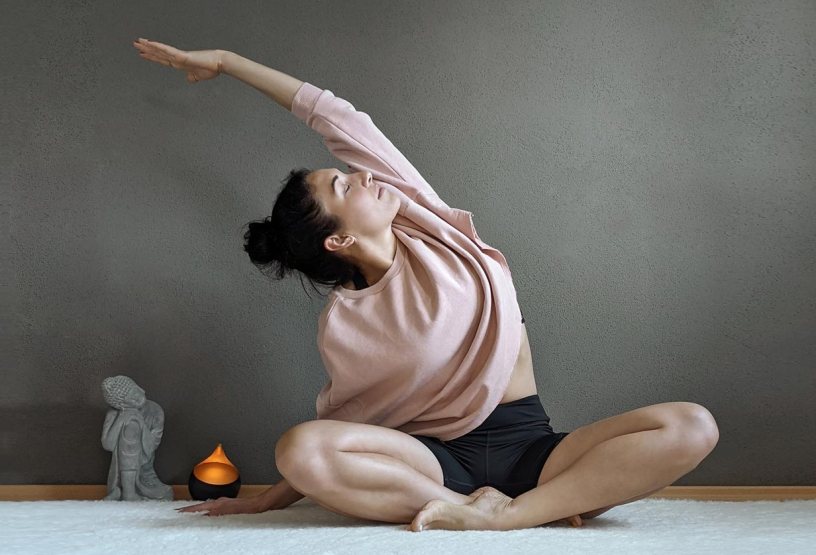
In Singapore’s fast-moving world, where schedules are tight and stress levels high, many people are discovering the value of slowing down. One practice that perfectly embodies this shift is yin yoga. Unlike more active yoga styles that focus on strength and flow, Yin Yoga invites stillness, mindfulness, and gentle physical release.
For beginners, it offers an accessible and deeply calming entry point into yoga. Whether you’re looking to improve flexibility, relieve stress, or simply reconnect with your body, Yin Yoga can be a transformative experience that fits easily into modern life in Singapore.
Understanding Yin Yoga and Its Purpose
Yin Yoga is a slow-paced, meditative style that targets the body’s deep connective tissues — fascia, ligaments, and joints — rather than muscles. Each pose is held for several minutes, allowing the body to relax fully and the mind to settle into silence.
The philosophy behind the practice comes from the concept of Yin and Yang, two complementary forces found in nature. Yang represents activity, effort, and motion, while Yin symbolises rest, surrender, and stillness. Singapore’s busy lifestyle often leans heavily toward Yang energy, making Yin Yoga a valuable counterbalance for mental and physical well-being.
Why Yin Yoga is Perfect for Beginners
Many people in Singapore are drawn to Yin Yoga because it does not require advanced strength or flexibility. Instead, it focuses on awareness and patience — two qualities that help beginners ease into the world of yoga comfortably.
1. No Pressure to Perform
In Yin Yoga, there are no complex poses or fast transitions. The practice encourages you to move slowly, explore sensations, and listen to your body. This makes it welcoming even for those who have never attended a yoga class before.
2. Suitable for All Ages and Fitness Levels
Whether you are a student, office professional, or retiree, Yin Yoga adapts to your needs. Instructors often use props like bolsters, blocks, or cushions to support the body, ensuring everyone can practise safely.
3. Helps Release Daily Tension
Prolonged sitting, long commutes, and high workloads can cause tightness in the hips, shoulders, and lower back. Yin Yoga focuses on these areas, using slow, sustained stretches to release physical and emotional stress.
4. Encourages Mindfulness
Each pose becomes a meditation in itself. The long holds teach patience, awareness, and the ability to stay present — skills that translate beautifully into daily life.
What to Expect in a Yin Yoga Class in Singapore
Stepping into your first Yin Yoga class may feel different from what you imagine yoga to be. Rather than an energetic workout, it feels like a deep rest session guided by breath and awareness.
The Atmosphere
Studios are usually dimly lit, quiet, and soothing. Gentle music or guided meditation helps you disconnect from outside noise.
The Structure of a Typical Class
A standard Yin Yoga session lasts between 60 and 75 minutes and follows this general flow:
- Opening centering: Slow breathing to relax the body and mind.
- Main sequence: Five to eight long-held poses targeting key areas like the hips, spine, and shoulders.
- Closing relaxation: A meditative resting period in Savasana or similar poses to absorb the benefits.
The Experience
Expect mild physical sensations or gentle stretching rather than intense muscle work. Discomfort is normal, but pain is not. The key is to find your “edge” — a point of stretch that feels deep but still safe.
Common Poses You’ll Encounter
Here are a few beginner-friendly Yin Yoga poses you’ll likely try in class:
- Butterfly Pose: Opens the hips and lower back, ideal for releasing tension from sitting all day.
- Caterpillar Pose: A forward fold that calms the mind and stretches the spine.
- Dragon Pose: Targets the hip flexors and legs, improving mobility and balance.
- Sphinx Pose: Gently opens the chest and strengthens the lower back.
- Child’s Pose: A restorative posture that soothes the nervous system.
Each pose is held for 3–5 minutes, allowing the body to ease into stillness while the breath remains steady and calm.
The Benefits of Yin Yoga for Beginners
Starting a Yin Yoga practice can bring visible changes to both the body and mind within a few weeks.
Physical Benefits
- Improves joint mobility and flexibility
- Enhances blood and energy circulation
- Reduces stiffness caused by long hours of sitting
- Encourages better posture and body awareness
Mental and Emotional Benefits
- Lowers stress and anxiety
- Improves sleep quality
- Builds emotional resilience through mindfulness
- Promotes a calm, reflective state of mind
Finding the Right Yin Yoga Studio in Singapore
Singapore offers many yoga studios, but not all focus on Yin Yoga as a primary discipline. For beginners, choosing a studio that emphasises calm instruction and supportive guidance makes all the difference.
What to Look For
- Experienced instructors who understand Yin philosophy and anatomy
- Comfortable, peaceful setting that allows you to unwind
- Beginner-friendly class structure with personal attention
- Balanced schedule that fits your lifestyle
A Trusted Space for Starters
Studios like Yoga Edition have built a strong reputation for their inclusive approach to wellness. Their Yin Yoga sessions are designed for modern Singaporeans seeking balance. Teachers focus on gentle alignment, deep breathing, and emotional grounding, making it easy for beginners to feel at home.
How to Prepare for Your First Yin Yoga Session
Preparation can make your first experience smoother and more rewarding.
Before Class
- Eat lightly at least one hour before practice.
- Arrive early to settle in and meet your instructor.
- Inform the teacher of any injuries or health concerns.
- Bring an open mind and a willingness to be still.
During Class
- Breathe deeply and consistently.
- Use props if needed for comfort.
- Avoid comparing yourself to others — every body is different.
- Let go of thoughts about work or tasks waiting outside the studio.
After Class
- Drink water to stay hydrated.
- Take a few minutes to rest before resuming your day.
- Notice how your body feels — lighter, calmer, and more centred.
Practising Yin Yoga at Home
Once you’ve attended a few classes, you can easily bring the practice home.
Create a Calm Space
Find a quiet corner in your home. Use a mat, cushion, or folded blanket for comfort. Keep lighting soft and the room cool.
Keep It Simple
Start with three to four poses for a 20-minute session. Focus on slow breathing and stillness. You can follow online guided videos or recall what you learned in class.
Make It a Habit
Practising even twice a week can bring visible results. Morning sessions can help you start the day grounded, while evening sessions are ideal for winding down.
The Emotional Journey of Yin Yoga
Yin Yoga often surprises beginners with its emotional depth. Because the practice encourages stillness, it can bring up long-stored feelings or thoughts. This is normal and part of the healing process.
During long holds, you may notice subtle emotions surfacing — restlessness, sadness, or relief. Instead of resisting them, Yin Yoga teaches acceptance. By observing without judgement, you learn to release mental tension the same way you release physical tightness.
This emotional awareness is what makes Yin Yoga transformative. It helps you develop patience, compassion, and resilience — qualities that go beyond the mat and into daily life.
Integrating Yin Yoga into Singapore’s Busy Lifestyle
The beauty of Yin Yoga lies in its flexibility. Even with a full schedule, you can make time for short sessions that bring balance and calm.
How to Fit Yin Yoga into Your Week
- Early mornings: Start the day with gentle stretches to awaken the body.
- Lunchtime breaks: A short seated sequence can release work tension.
- Evenings: Practise before bed to improve sleep and quiet the mind.
Combining Yin Yoga with Other Activities
Yin Yoga complements other fitness routines perfectly. Runners, weightlifters, and even cyclists in Singapore practise Yin Yoga to improve flexibility and recovery. It balances out the Yang energy of active exercise, preventing burnout and injuries.
Real-Life FAQs about Starting Yin Yoga in Singapore
Q1: Do I need prior yoga experience to start Yin Yoga?
Not at all. Yin Yoga is ideal for complete beginners. Instructors provide clear guidance and modifications to suit every body type.
Q2: How often should I practise as a beginner?
Start with two classes per week. As you become more comfortable, you can increase to three or four sessions to deepen your progress.
Q3: What should I wear to a Yin Yoga class?
Wear soft, breathable clothing that allows easy movement. Since studios are air-conditioned, you may want to bring a light jacket or shawl.
Q4: Can Yin Yoga help with anxiety or sleep problems?
Yes. The deep breathing and stillness of Yin Yoga activate the parasympathetic nervous system, which helps reduce anxiety and improve sleep.
Q5: I’m not flexible — will I still benefit?
Absolutely. Yin Yoga focuses on relaxation, not flexibility. Props and cushions make it accessible for everyone.
Final Thought: Beginning your Yin Yoga journey in Singapore is about more than learning postures. It’s about reconnecting with your body, calming your mind, and discovering peace in simplicity. Each session becomes a reminder that slowing down is not a weakness — it’s a powerful step towards balance and self-awareness.
 Relixy Health